1. Quiet, private arrival
The crew can arrive in an unmarked vehicle and work without drawing attention if the owner prefers.
Cary, IL · McHenry County
After police release a property in Cary, the owner or family still has to deal with what is left. Call (877) 812-4220 for sharps pickup, residue cleanup and odor treatment.
If anyone is in danger, call 911 first. For a suicide crisis, call or text 988.
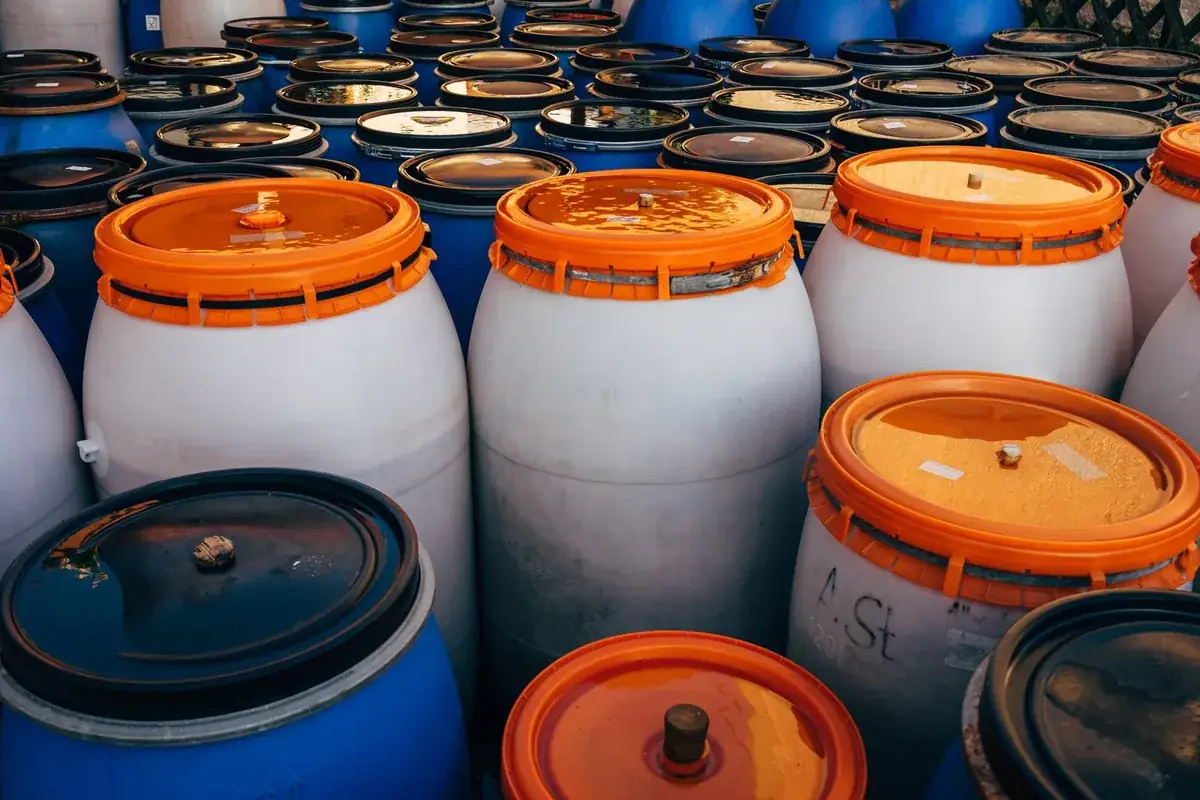
Cleaning a space after drug use can include removal of bedding, carpet or upholstery that took in residue, along with disinfection of hard surfaces and treatment of odor.
You can get drug paraphernalia cleanup in Cary and throughout McHenry County by calling Cary Biohazard Cleanup Help. Cleanup technicians follow the OSHA Bloodborne Pathogens Standard, 29 CFR 1910.1030, when sharps are involved.
The vacancy rate in McHenry County is only about 3%, so most paraphernalia calls come from occupied homes, rentals and businesses. After a needle stick or exposure to an unknown substance, get medical care. Mercyhealth Hospital & Physician Clinic-crystal La in Crystal Lake is the closest emergency room to Cary.
What drug paraphernalia cleanup covers:
The crew can arrive in an unmarked vehicle and work without drawing attention if the owner prefers.
Crews put on gloves, eye protection and respirators when needed, then search every room for sharps and other items.
Surfaces are cleaned, and soft goods that could hold residue are removed.
The team removes the waste and shares what was done so the owner can keep it on file.
The cost of drug paraphernalia cleanup in Cary, IL depends on the amount of material, how it is packed and how it is hauled.
Disposal of sharps and contaminated materials as regulated waste is part of the price, and it changes with the amount.
| Type of job | Typical range |
|---|
Figures are planning ranges from , not a price for any specific Cary property. Price drivers include amount of material, whether residue is present, surfaces affected, waste disposal. Call (877) 812-4220 any hour.
The owner of the property usually pays at first. Lease terms and local law decide who is responsible in the end. A landlord, an attorney or a tenant rights group can say. Keep any record the cleanup team gives you, since a landlord or insurer may ask for it.
No. A good team asks only what it needs to plan the work, and you decide what to share. If privacy matters, ask about discreet, unmarked arrival when you call. Teams differ, so ask how the call and the visit are handled.
Standard paraphernalia cleanup is about removal, cleaning and disinfection. Testing is a separate step, usually tied to a site where drugs were made. Ask the team and the local health department what testing, if any, applies to your property.
No. Drug paraphernalia cleanup removes used items and cleans surfaces. A site where drugs were made is a different job with its own testing and clearance steps. If you think drugs were made in the home, say so when you call.
No. This page explains how drug paraphernalia cleanup works. It is not medical, legal or insurance advice. For symptoms, contact a doctor or Poison Control, and for legal questions, ask an attorney.
Crews wear protective gear, remove sharps and loose items, and then clean hard surfaces with EPA-registered disinfectants. Porous materials such as carpet, padding or upholstery that took in residue may be removed. The team can explain what applies to your space.
One call can start the cleanup of a room, a rental unit or a whole home.
Call (877) 812-4220